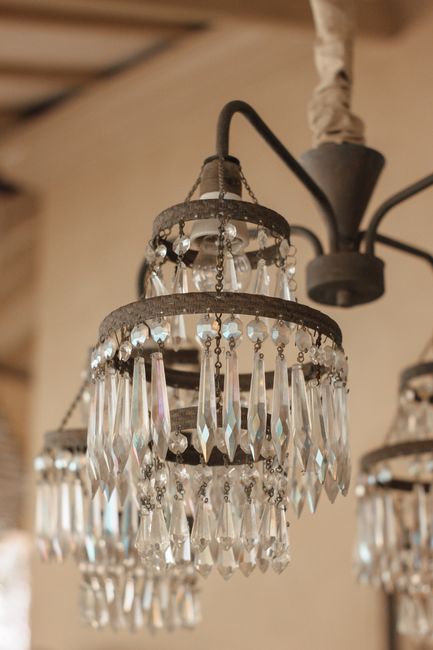
Packing antiques and chandeliers for Mayfair homes
If you live in Mayfair, you already know the stakes are a little higher than a standard move. A chipped mirror frame, a cracked ormolu detail, or a chandelier with one lost crystal can turn an otherwise tidy relocation into a proper headache. Packing antiques and chandeliers for Mayfair homes is not just about wrapping things up and hoping for the best; it is about preserving value, provenance, and the quiet confidence that comes from doing things properly.
This guide walks through the practical side of protecting delicate, high-value, and often sentimental items during a move. You will find a clear process, expert tips, common mistakes, and a realistic checklist you can use before moving day. If you are planning a full house move, or simply need help moving a few especially awkward pieces, you may also want to look at house removals, furniture removals, or even storage if the timing does not line up neatly. There is no drama in that. Sometimes the sensible choice is the best one.
Expert summary: The safest packing approach for antiques and chandeliers is simple in principle but exacting in practice: assess fragility first, use the right materials, disassemble where appropriate, label every component, and keep handling to a minimum.
Table of Contents
- Why Packing antiques and chandeliers for Mayfair homes Matters
- How Packing antiques and chandeliers for Mayfair homes Works
- Key Benefits and Practical Advantages
- Who This Is For and When It Makes Sense
- Step-by-Step Guidance
- Expert Tips for Better Results
- Common Mistakes to Avoid
- Tools, Resources and Recommendations
- Law, Compliance, Standards, or Best Practice
- Options, Methods, or Comparison Table
- Case Study or Real-World Example
- Practical Checklist
- Conclusion
- Frequently Asked Questions
Why Packing antiques and chandeliers for Mayfair homes Matters
Antiques and chandeliers are different from everyday household items. They are often fragile in ways that are not obvious at first glance. A cabinet might look solid but hide weak joints. A chandelier may seem decorative and light, yet the frame, wiring, drops, and decorative arms can be surprisingly vulnerable. One small knock in a hallway, and the result can be costly.
In Mayfair homes, this matters even more because properties often contain period features, narrow staircases, polished floors, and tightly managed access routes. That combination means the item itself is only half the challenge. The building can be just as demanding. You have to think about the route out, the size of the lift, the turn at the landing, the weather on the day, and whether the piece needs to be lifted rather than rolled. Bit of a chess game, really.
There is also the emotional side. Many antiques are not only valuable in a market sense; they carry family history, taste, and memory. A chandelier may be the first thing you see in the hallway when the lights come on at 7am, and you do not want that memory to end with a cracked pendant in a cardboard box. Truth be told, people often underestimate the stress of packing items that cannot simply be replaced.
Good packing reduces breakage, but it also reduces friction during the move itself. Crews can work faster and more carefully when items are documented, prepped, and labelled. That usually means less handling, less confusion, and fewer last-minute decisions on the pavement outside a townhouse.
How Packing antiques and chandeliers for Mayfair homes Works
The process starts with identification. Not every old item is an antique, and not every decorative light fitting is a chandelier. But if something is delicate, valuable, awkwardly shaped, or difficult to repair, it should be treated as specialist cargo.
From there, the work usually moves through five stages:
- Assessment: examine the item's condition, materials, size, and weak points.
- Preparation: remove loose pieces, dust gently, and decide whether partial dismantling is needed.
- Protection: wrap individual components using suitable materials and cushion any contact points.
- Containment: place the protected item in a rigid box, crate, or custom support system.
- Labelling and transport: mark fragility clearly, record contents, and load the item so it cannot shift.
For chandeliers, the approach is often more modular. Glass drops, chains, bulbs, arms, and central frames may need to be separated and packed individually. For antiques, the focus is usually on stabilising joints, preventing abrasion, and protecting decorative surfaces like lacquer, veneer, gilt, marble, or carved wood.
One practical point that gets missed a lot: packing is not just wrapping. It is also about movement control. If an item can rattle inside its box, it is not securely packed, even if the outer box looks immaculate. That outer box is the last layer, not the solution in itself.
Key Benefits and Practical Advantages
When done properly, specialist packing gives you more than just a lower risk of damage. It improves the whole move in quieter, more useful ways.
- Less breakage risk: fragile surfaces and joints are cushioned before transport begins.
- Better handling: teams know what is fragile, what must stay upright, and what should not be stacked.
- Faster loading decisions: items that are clearly labelled do not need repeated explanation.
- Protection of value: antiques often keep their value better when original condition is preserved.
- Reduced stress: you do not spend the whole journey worrying about what is in the back of the vehicle.
There is another benefit that people rarely mention. Careful packing makes unpacking far easier. When chandelier components are bagged and labelled by section, and antique furniture has been documented before the move, the setup at the new property becomes much calmer. No one wants to spend a Saturday afternoon hunting for a fixing screw in the bottom of an unlabeled box.
If your move involves broader items too, it can help to combine specialist packing with a practical moving plan. For example, households moving out of compact flats often use flat removals alongside protective packing, while larger homes may benefit from full home moves support and a properly sized moving truck.
Who This Is For and When It Makes Sense
This kind of packing is most useful for homeowners, landlords, interior designers, executors, collectors, and anyone managing a move that includes heirloom pieces or decorative lighting. It also makes sense if the property has awkward access, long internal routes, or a strict move-out schedule.
You may need specialist packing if you are dealing with:
- Georgian, Victorian, or Edwardian furniture with delicate joinery
- French-style chandeliers, crystal fittings, or large pendant lights
- Marble, glass, veneer, inlaid wood, or gilded surfaces
- Items with provenance or insurance sensitivity
- Furniture that needs to be held in storage before delivery
- Multi-room moves where valuable items need staged handling
It also makes sense if you simply do not want the family to do the packing themselves. And honestly, that is fair enough. Some jobs are better left to people who know where the weak point is before it gives way.
For owners of especially heavy or awkward pieces, there is a sensible overlap with services such as piano removals and broader removal services, because the same principles apply: measure, protect, lift carefully, and minimise movement.
Step-by-Step Guidance
1. Inspect the item before touching anything
Look for loose joints, surface cracks, old repairs, missing ornamentation, or fragile wiring. On antiques, a tiny split in a veneer edge can worsen if the item is lifted badly. On chandeliers, check the chain, ceiling cup, arms, bulb holders, and any glass or crystal hanging pieces.
2. Photograph and document condition
Take clear photos from multiple angles before packing. This is useful for insurance, post-move checks, and peace of mind. It also helps if you have several similar-looking items and need to prove which component belongs where. It sounds tedious. It is tedious. But it is worth it.
3. Separate detachable parts
Where safe and practical, remove loose shelves, drawers, keys, glass drops, lampshades, bulbs, and decorative elements. Pack each component separately and label it clearly. If a part is not designed to come apart, do not force it. A forced repair on move day is rarely a clever one.
4. Choose the right wrapping layers
Use a soft first layer to prevent scratches, then a cushioning layer for impact protection, and finally a rigid outer layer for structure. For antiques with delicate finishes, avoid direct contact with rough materials. For chandeliers, individual wrapping for glass components is essential so they do not knock against each other.
5. Stabilise the item inside its container
The object should not move around once packed. Fill empty spaces carefully, but do not over-compress. Too much pressure can be just as damaging as too little protection. If the box flexes, upgrade the box. If the item is unusually delicate, consider a crate or bespoke support.
6. Label with detail, not just fragility
Write what the item is, which room it belongs to, which way up it should remain, and whether it contains separate parts. A label saying "FRAGILE" is useful, but a label saying "Upper crystal drops - wrap separately - keep upright" is much better.
7. Load in the correct order
Put the most secure, least sensitive items in first, and keep antiques and chandeliers away from heavy furniture, cleaning equipment, and loose tools. They should not be used as a packing gap filler. That is the sort of shortcut that sounds efficient until it is not.
If you are planning the wider logistics as well, it can be helpful to coordinate packing with a suitable vehicle or crew size, whether that means man and van, man with a van, or a more structured team through house removalists.
Expert Tips for Better Results
Small adjustments make a big difference here. A few habits tend to separate a smooth move from a stressful one.
- Pack by item, not by box count. One chandelier may need five or six separately protected containers. That is normal.
- Use plenty of padding around protruding details. Handles, finials, carved edges, and lamp arms are high-risk points.
- Keep fittings and fixings together. Put screws, bulbs, chains, and brackets in labelled bags and tape them to the correct item or inventory sheet.
- Do not wrap damp or freshly cleaned items too soon. Trapped moisture can mark wood or tarnish metal.
- Mind the route. Narrow Mayfair stairwells and corners can cause as much damage as the journey in the vehicle.
- Use a "last out, first in" plan for the most delicate pieces. Less waiting around means fewer chances for a random bump.
A slightly old-fashioned but useful tip: make a simple inventory list on paper as well as digitally. If your phone dies or gets buried under packing tape, the paper copy is still there. Old-school, yes. Reliable too.
Where responsibility and handling standards matter, it can also be worth reviewing a company's insurance and safety information and reading about its wider health and safety policy. That gives you a clearer picture of how they approach high-risk items.
Common Mistakes to Avoid
Most damage does not come from some dramatic disaster. It usually comes from a handful of predictable errors.
- Using the wrong material: newspaper can mark polished surfaces; thin wraps can tear too easily.
- Packing everything together: crystal, screws, and frame parts should not share the same loose bag.
- Ignoring weight distribution: heavy bases and delicate tops need different support.
- Leaving chandeliers assembled when they should be partially dismantled: the fully assembled piece is often too vulnerable for a standard box.
- Underestimating access issues: a packed item may be safe in storage but unsafe on a spiral stair or tight landing.
- Not labelling orientation: a box that is flipped can put pressure on glass and carved details.
- Skipping condition photos: if something is already imperfect, record it before the move.
Another easy mistake is rushing because the move itself is busy. The kettle is missing, someone is asking where the spare keys are, and suddenly the chandelier ends up packed "well enough". Well enough is not the target here. Properly is the target.
Tools, Resources and Recommendations
You do not need a warehouse of specialist kit, but the right tools make everything calmer. A sensible packing setup often includes:
- Acid-free tissue or soft protective wrap for delicate finishes
- Padding material for cushioning and void fill
- Strong boxes in multiple sizes
- Stiff outer cartons or custom crates for fragile pieces
- Labels, marker pens, and inventory sheets
- Microfibre cloths for dry dusting before packing
- Small bags for screws, bulbs, hooks, and detachable fittings
- Corner protection for frames, tables, and cabinets
It can also help to plan the move around the rest of the household. If the property is partially empty, furniture may be moved first with furniture pick up arranged separately. If the move is substantial, a booked slot through removals can keep the process more orderly than trying to improvise everything on the day.
For people moving between properties quickly, especially in central London, having a bit of flexibility matters. In those cases, it is worth knowing whether same day removals are suitable, though for antiques and chandeliers a rushed schedule should still be handled carefully. Speed is useful. Sloppiness is not.
Law, Compliance, Standards, or Best Practice
Specialist packing for antiques and chandeliers is not usually about one single regulation. It is more about following sound moving practice, using competent handling, and understanding your responsibilities for care and disclosure.
In the UK, if you are arranging a move through a professional provider, it is sensible to check how they handle:
- Declared value and insurance considerations
- Risk assessment for access, lifting, and handling
- Safe movement of heavy or fragile items
- Clear terms and conditions for what is included
- Transparent payment and booking processes
For peace of mind, it is worth reviewing a provider's payment and security information, along with its terms and conditions. If you are comparing providers, look for specific explanations rather than vague promises. "We take care" is pleasant wording, but details are what matter.
Best practice usually includes documented condition checks, appropriate manual handling, and sensible packaging that suits the object rather than forcing the object to suit the packaging. That principle sounds obvious. In real life, people still ignore it. All the time.
Options, Methods, or Comparison Table
There is more than one way to approach specialist packing, and the right choice depends on the item, access, timing, and your own comfort level.
| Method | Best for | Advantages | Limitations |
|---|---|---|---|
| DIY soft packing | Small antiques with stable joints | Lower cost, flexible timing | Higher risk if materials or technique are poor |
| Partial dismantling + boxed packing | Chandelier components, mixed decorative items | Good protection, easier handling | Needs careful labelling and patience |
| Custom crating | High-value, oversized, or very fragile pieces | Excellent stability and impact protection | More time and expense |
| Professional packing and transport | Complex moves or multiple valuables | Less stress, better handling, coordinated logistics | Requires scheduling and clear briefings |
In practical terms, DIY can work for some smaller items, but chandeliers and ornate antiques often move into professional territory fairly quickly. The more awkward the shape, the more likely it is that tailored packing is worth it. That is especially true if you are also managing a full household move, where larger support from house removals may make the entire process less chaotic.
Case Study or Real-World Example
Consider a typical Mayfair townhouse move. The household includes an antique sideboard, a pair of gilt wall mirrors, and a crystal chandelier from the dining room. The property has a narrow stair, polished bannisters, and a tight entrance hall that opens directly onto the street.
The move plan begins the day before. The chandelier is photographed, the bulbs are removed, the crystal drops are separated and packed individually, and the chain fittings are bagged and labelled. The sideboard is dusted, its doors secured, and the fragile veneer corners padded. The mirrors are wrapped with care and marked clearly so they can stay upright.
On moving day, those items are loaded last and unloaded first. Nothing is crushed under heavier furniture. Nothing sits in a box so loose that it rattles each time the van goes over a bump. The whole process is slower than throwing things into cartons, yes, but it is calmer. And that calm matters. You can almost hear the difference in the room.
This is the kind of move where a provider's wider service range also helps, particularly if the household has other items needing specialist handling or temporary storage. A move involving a few treasured pieces can be folded into broader furniture removals rather than treated as a separate headache.
Practical Checklist
Use this checklist before packing antiques and chandeliers for Mayfair homes. It keeps the process grounded and stops the obvious things from being forgotten.
- Inspect each item for damage, loose parts, and unstable fittings
- Photograph the item from all key angles
- Decide whether dismantling is needed
- Gather soft wrap, padding, boxes, labels, and bags for fixings
- Clean dry surfaces gently before wrapping
- Pack components separately where appropriate
- Fill voids so nothing moves in transit
- Label orientation, room destination, and handling instructions
- Keep an inventory list for every valuable piece
- Confirm insurance and service terms before moving day
- Plan the loading order so delicate items are handled last
- Check access routes, lift size, and stair clearance in advance
If you want a smoother overall move, it is also smart to compare the rest of the logistics early rather than at the last minute. That might mean talking through timing, access, and vehicle size through pricing and quotes before committing. The best moves are usually the ones where the surprises are removed before they arrive.
Get a free quote today and see how much you can save.
Conclusion
Packing antiques and chandeliers for Mayfair homes is a specialist task because the objects are fragile, the settings are often awkward, and the margin for error is small. But with the right materials, clear preparation, careful labelling, and a patient approach, the process becomes much more manageable.
That is really the heart of it. Treat each piece as something unique, not just another item to get into a box, and the move feels less like a scramble and more like a controlled handover. A little slower, maybe. Much safer, definitely.
If you are moving valuable pieces soon, take a breath, plan the handling properly, and let the rest of the move work around the items that matter most. It is the sort of care you remember later, when the chandelier is back in place and the room finally feels like home again.
Frequently Asked Questions
How do you pack an antique safely for a house move?
Start by checking for weak joints, loose ornaments, and surface damage. Photograph the item, wrap it in a soft protective layer, add cushioning, and place it in a rigid box or crate that prevents movement. The key is to stop the item from shifting, not just to cover it.
Should chandeliers be dismantled before packing?
Usually, yes, at least partially. Glass drops, bulbs, chains, and other loose pieces should normally be removed and packed separately. If the chandelier is unusually large or complex, careful disassembly helps reduce the risk of breakage during handling and transport.
What is the best packing material for antiques?
Soft, non-abrasive wrapping combined with cushioning and a strong outer container usually works best. The exact material depends on the finish and fragility of the item. Delicate wood, gilt, and veneer need different handling from stone or metal.
Can I move a chandelier without professional help?
Smaller light fittings may be manageable, but larger chandeliers are often awkward, fragile, and difficult to balance safely. If the item is valuable, heavy, or highly decorative, professional help is usually the more sensible route.
How do I protect antique furniture corners and edges?
Use padding on corners, wrap exposed edges separately, and make sure the item cannot slide inside its container. Corners and carved details are common impact points, so they deserve extra attention rather than just a quick layer of wrap.
What should I do with screws, bulbs, and small fittings?
Keep them together in clearly labelled bags and match them to the correct item. For chandeliers especially, this avoids confusion at the new property and reduces the chance of misplacing a tiny part that is awkward to replace.
Do antiques need insurance during a move?
They often do, especially when the items are valuable or irreplaceable. You should check the mover's insurance and safety information and confirm what level of cover applies to your belongings before the move begins.
How far in advance should I pack fragile valuables?
As early as practical. Antiques and chandeliers should not be left until the final hour of the move. Giving yourself time means you can inspect, photograph, label, and pack properly without rushing, which is where mistakes tend to happen.
Is custom crating worth it for a chandelier?
If the chandelier is large, high-value, or especially delicate, custom crating can be very worthwhile. It gives better support, less movement, and stronger protection than a standard carton. For simpler items, though, a well-planned boxed method may be enough.
What are the most common packing errors with antiques?
The biggest mistakes are using poor materials, packing too tightly or too loosely, failing to label parts, and not documenting the condition before the move. Rushing is another big one. Time pressure is where good intentions often go a bit sideways.
Can antiques and chandeliers be stored before delivery?
Yes, if storage is dry, secure, and suitable for delicate items. Make sure pieces are packed for storage, not just for transport, because the risks are slightly different. If the timing between properties is awkward, storage can be a very sensible bridge.
How do I choose between DIY packing and professional removals?
Use DIY only when the item is small, stable, and genuinely low-risk. Choose professional support when items are valuable, oversized, unusually fragile, or part of a larger move with tight access. For many Mayfair homes, the safer choice is the one that reduces handling, not the one that looks cheapest on paper.